
Understanding the psychological triggers that drive gambling behavior
The Allure of Risk and Reward
The thrill of gambling often stems from the psychological interplay of risk and reward. When individuals place bets, they experience a rush of adrenaline, which can be both exhilarating and addictive. This excitement is often amplified by the unpredictability of outcomes, leading many to chase the high that comes with winning. Understanding this dynamic is crucial, as it can help individuals recognize the emotional triggers that drive them towards gambling.
Additionally, the potential for significant financial gain enhances the allure. Many gamblers are motivated by the dream of hitting a jackpot or winning a large sum, which can create a sense of hope. This hope often outweighs the reality of losing money, leading to a cycle where the excitement of potential winnings drives repeated gambling behavior.
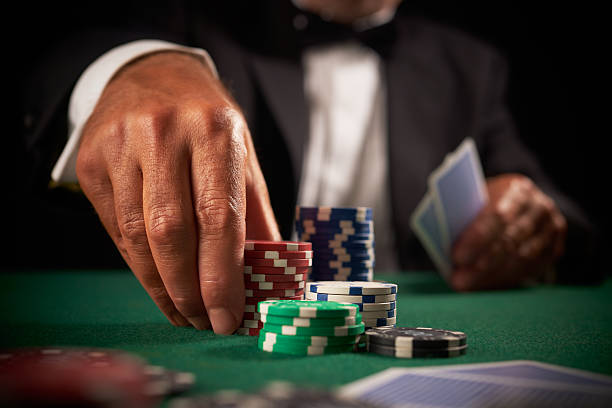
The Role of Cognitive Biases
Cognitive biases play a significant role in gambling behavior. One of the most prevalent biases is the illusion of control, where individuals believe they can influence outcomes in games of chance. This belief can lead to increased gambling, as individuals may think they possess skills that can affect their success. As a result, they may underestimate the randomness of many gambling activities.
Another bias is the gambler’s fallacy, which is the belief that past events can influence future outcomes. For example, a gambler may think that a string of losses means a win is imminent. These cognitive distortions can lead to irrational decision-making and a compulsion to gamble, despite contrary evidence.
The Impact of Environment and Social Factors
The environment in which gambling takes place can greatly influence behavior. Casinos are often designed to be immersive and stimulating, using bright lights and engaging sounds to create an enticing atmosphere. This sensory overload can heighten excitement and compel individuals to keep playing, even when they may want to stop.
Social factors also play a crucial role in gambling behavior. Peer pressure can encourage individuals to gamble or increase their betting amounts, leading to greater risk-taking. Additionally, social interactions in gambling settings can create a sense of community, making it more difficult for individuals to walk away even after experiencing losses.
The Emotional Rollercoaster of Gambling
The emotional highs and lows associated with gambling can be incredibly intense. Winning can lead to feelings of euphoria, while losing may result in regret or despair. This emotional rollercoaster can create a powerful cycle where individuals continue to gamble in pursuit of the next high, often disregarding the financial and emotional costs involved.
Moreover, the emotional aspects of gambling can cause individuals to engage in risky behavior to recover losses. This desperation to regain control can lead to a downward spiral, where the desire to win overrides rational decision-making, resulting in further financial harm.
Explore the Thrills at Betty Casino Journey
Betty Journey offers a unique blend of immersive gameplay and engaging storytelling, appealing to those drawn to the excitement of gambling. Players can explore a richly designed universe while navigating challenges that enhance their strategic thinking. This captivating experience provides a way to enjoy the thrill of gaming while also being mindful of responsible gambling practices.
By joining Betty Journey, players can enjoy the cosmic adventure while understanding the psychological triggers behind their gambling behavior. This balance between enjoyment and awareness ensures a more fulfilling experience that respects individual limits and promotes financial management.

Añadir comentario